


Visiting Saudi Arabia requires most travelers to obtain a valid visa before entering the Kingdom. The visit visa system is designed to make it easier for tourists, families, and business visitors to explore the country, whether it is for sightseeing, visiting relatives, or attending business events. Depending on your nationality, you may be eligible for an electronic tourist visa (eVisa), a visa on arrival, or you may need to apply through a Saudi embassy or consulate. Each traveler must hold a passport valid for at least six months, a confirmed return ticket, and in most cases, proof of accommodation and medical insurance.
The visit visa allows travelers to discover Saudi Arabia’s cultural heritage, modern attractions, and religious sites, but it cannot be used for employment or long-term residency. For Umrah, the tourist visa is valid outside the Hajj season, while the Hajj pilgrimage requires a special Hajj visa. Recent updates in 2025 highlight that visa issuance and entry rules are subject to change based on Saudi authorities’ discretion, so applicants must always check the latest official guidelines before travel.
Quick Facts – Saudi Arabia Visit Visa
- Visa Required: Most travelers need a visa before entering Saudi Arabia.
- Validity: Tourist eVisas allow stays of up to 90 days per entry.
- Application Options: Apply online (eVisa), on arrival (for eligible countries), or via Saudi embassy.
- Mandatory Documents: Passport (6+ months validity), photo, return flight, hotel booking, medical insurance.
- Umrah & Hajj: Umrah is allowed on a tourist visa outside Hajj season. Hajj requires a special visa.
- Fee: Around €95 (non-refundable) including insurance.
- Restrictions: Tourist visa holders cannot work in Saudi Arabia.
- Latest Update (2025): Some nationalities only receive single-entry visas (max 90 days).
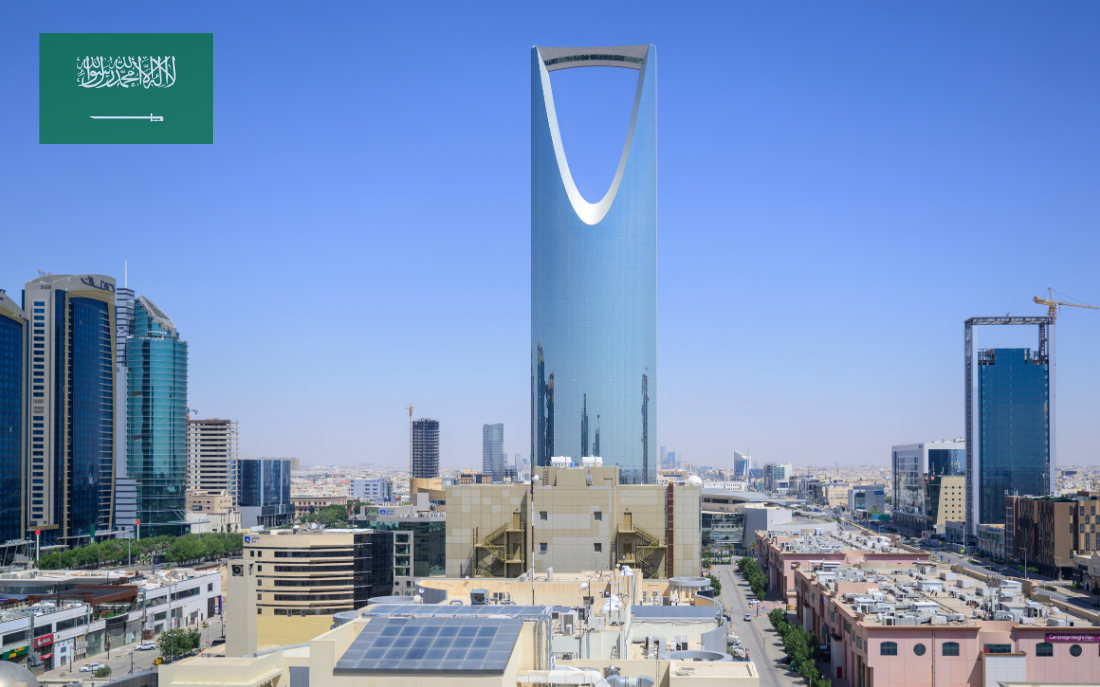


Why do I need a visit visa for Saudi Arabia?
Because Saudi Arabia regulates entry for all foreign nationals to ensure legal compliance, security, and proper travel planning.
Who is eligible for the Saudi tourist eVisa?
Citizens of many countries can apply online for an eVisa or receive a visa on arrival. Travelers from countries not included must apply via a Saudi embassy or consulate.
What documents are required for a visit visa?
- Valid passport (6+ months)
- Passport-size photo
- Confirmed return flight
- Hotel/accommodation booking
- Medical/travel insurance
How long can I stay in Saudi Arabia on a tourist visa?
Up to 90 days per entry. Some visas are multiple-entry for one year, but in 2025 certain nationalities are only being issued single-entry visas.
Can I perform Umrah or Hajj with a tourist visa?
- Umrah: Yes, but only outside the Hajj season.
- Hajj: No, you must apply for a special Hajj visa.
How much does the tourist eVisa cost?
Around €95 (or equivalent), including basic insurance. Fees are non-refundable.
Do I need medical insurance to apply?
- Yes, medical/travel insurance is mandatory for all visit visa applicants.
Can I visit Makkah and Madinah with a tourist visa?
Muslim travelers with a valid tourist visa can visit both holy cities. Non-Muslims are restricted from entering Makkah.
Can I use a tourist visa to work in Saudi Arabia?
No, employment requires a separate work visa sponsored by a Saudi company.
What happens if my visa application is rejected?
Visa fees are usually non-refundable. You may reapply with complete documentation.
No Comments
Sorry, the comment form is closed at this time.