


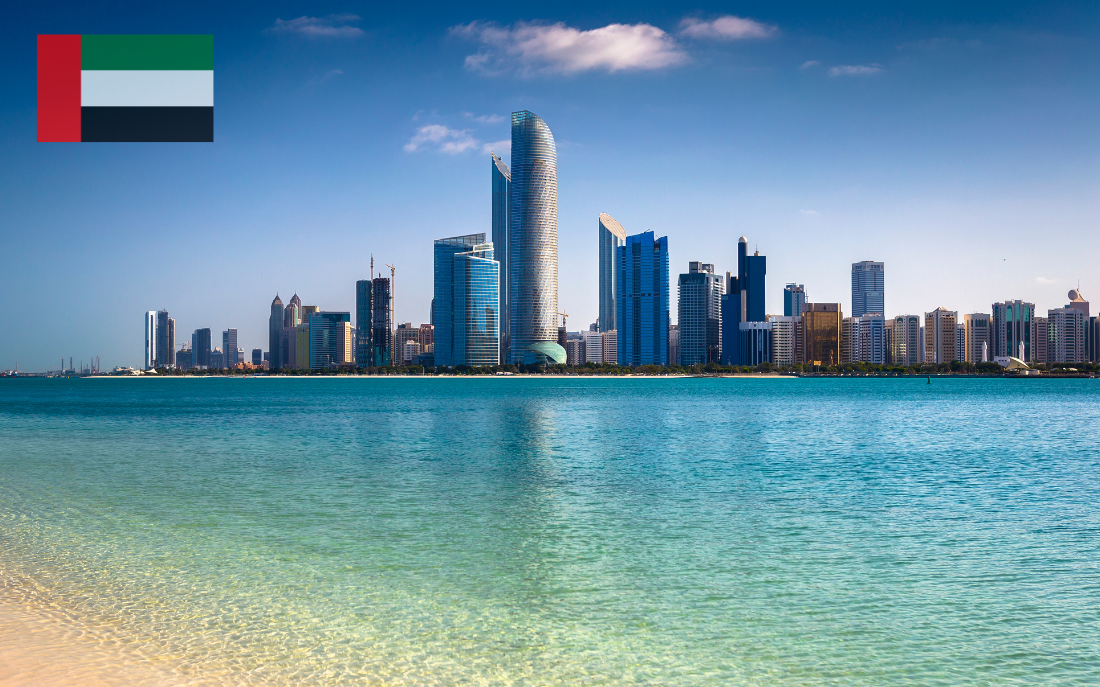
The UAE is one of the world’s most popular destinations, attracting millions of visitors each year. If you plan to travel to Dubai or any other Emirate for tourism, family visits, or short business trips, you may need to obtain a tourist visa. While some nationalities are eligible for visa-free entry or visa on arrival, others must apply for a visa in advance. Citizens of GCC countries can enter the UAE without a visa.
Visa on Arrival & Visa-Free Entry
- Citizens of GCC countries do not require a visa.
- Many nationalities can obtain a visa on arrival, valid for 30, 60, or 90 days depending on nationality.
- Visa on arrival is issued directly at the airport and allows tourism and limited business activities such as conferences or seminars.
- This visa does not permit employment.


Tourist Visa Applications in Advance
The Schengen Visa is a short-stay visa that allows eligible nationals to travel within the Schengen Area, which consists of 29 European countries. With this visa, you can:
- Travel freely between Schengen countries without border checks.
- Stay for up to 90 days within any 180-day period.
- Enter for tourism, business meetings, family visits, or cultural trips.
⚠️ Important: A Schengen Visa does not permit you to work, study, or live long-term in Europe. For these purposes, you must apply for a National Visa from the relevant country.
Who Needs a Schengen Visa?
You need a Schengen Visa if you are a national of a non-EU/non-EEA country that does not have a visa-free agreement with Schengen states.
Some examples of countries whose nationals require a Schengen Visa include:
- Asia: India, Pakistan, China, Nepal, Bangladesh, Sri Lanka
- Africa: Nigeria, Ghana, South Africa, Kenya, Egypt, Ethiopia
- Middle East: Iran, Iraq, Saudi Arabia, Yemen, Afghanistan
- Others: Russia, Turkey, Belarus, Cuba, Jamaica
If your country is on the visa-exempt list (e.g., USA, UK, Canada, Australia, Japan), you can travel visa-free for short stays.
What Countries Can You Visit with a Schengen Visa?
The Schengen Visa is valid for entry into the following 29 countries:
🇦🇹 Austria | 🇧🇪 Belgium | 🇭🇷 Croatia | 🇨🇿 Czech Republic | 🇩🇰 Denmark | 🇪🇪 Estonia | 🇫🇮 Finland | 🇫🇷 France | 🇩🇪 Germany | 🇬🇷 Greece | 🇭🇺 Hungary | 🇮🇸 Iceland | 🇮🇹 Italy | 🇱🇻 Latvia | 🇱🇮 Liechtenstein | 🇱🇹 Lithuania | 🇱🇺 Luxembourg | 🇲🇹 Malta | 🇳🇱 Netherlands | 🇳🇴 Norway | 🇵🇱 Poland | 🇵🇹 Portugal | 🇷🇴 Romania | 🇸🇰 Slovakia | 🇸🇮 Slovenia | 🇪🇸 Spain | 🇸🇪 Sweden | 🇨🇭 Switzerland | 🇧🇬 Bulgaria
Non-EU countries in Schengen:
- Iceland, Liechtenstein, Norway, Switzerland
EU countries not in Schengen:
- Ireland, Cyprus
⚠️ Some microstates (Monaco, San Marino, Vatican City) allow Schengen Visa holders entry, even though they are not formal members.
Types of Schengen Visas
Depending on your travel purpose, there are different categories:
1. Uniform Schengen Visa (USV)
Covers short stays up to 90 days in 180 days.
- Single Entry Visa – Enter once only; expires once you leave.
- Double Entry Visa – Enter twice within visa validity.
- Multiple Entry Visa – Enter multiple times; available for 1, 3, or 5 years.
2. Limited Territorial Validity Visa (LTV)
Only valid in the country that issued it (or specified Schengen states).
3. Airport Transit Visa (ATV)
For travellers transiting through a Schengen airport without leaving the international zone.
How to Apply for a Schengen Visa
The process is straightforward but requires careful preparation:
- Determine your main destination – Apply through the embassy/consulate of the country where you’ll spend the most time.
- Book an appointment – At the embassy or visa application centre (usually VFS or TLS).
- Complete the Schengen Visa application form – Available online.
- Prepare supporting documents (see checklist below).
- Attend your appointment – Submit documents, biometric data, and attend an interview.
- Pay the visa fee – Standard fee is around €80 for adults, €40 for children (6–12 years), and free for under-6s.
- Wait for processing – Usually 15 days, but can take up to 60 days.
Required Documents for a Schengen Visa
When applying, you must submit:
- Valid passport (issued in last 10 years, valid 3 months beyond departure, 2 blank pages)
- Completed and signed visa application form
- Two recent biometric passport photographs
- Proof of return travel (airline tickets or funds to purchase)
- Travel medical insurance (minimum €30,000 coverage, valid in all Schengen states)
- Proof of accommodation (hotel booking, rental agreement, or invitation letter)
- Proof of financial means (bank statements, payslips, sponsorship letter, etc.)
- Visa fee payment receipt
Additional Documents by Purpose:
- Tourist Visa – Detailed itinerary, confirmed bookings.
- Business Visa – Invitation letter from company, conference registration.
- Visiting Family/Friends – Invitation letter, proof of relationship.
- Students – Proof of enrolment, NOC from university/school.
- Minors – Birth certificate, parental consent, guardianship documents.
Schengen Visa Entry Restrictions
Even with a visa, entry is not guaranteed. Border officials may ask for:
- Proof of return ticket
- Proof of funds
- Purpose of visit confirmation
- Insurance details
Failure to comply may result in refusal at the border.
Schengen Visa Entry Restrictions
Q: How long does it take to get a Schengen Visa?
A: Standard processing is 15 days, but may take up to 60 days depending on workload or additional document requests.
Q: Can I extend my Schengen Visa?
A: Extensions are only granted in exceptional cases (medical emergencies, humanitarian reasons).
Q: Can I work in Europe with a Schengen Visa?
A: No. This visa is for tourism, business, or short visits only.
Q: Do I need a separate visa for each Schengen country?
A: No, one Schengen Visa covers all participating countries.
No Comments
Sorry, the comment form is closed at this time.